


What is Organic Black Tea
Organic black tea, also known as "red tea" in China for its rich, reddish infusion, is unique in that it is comprised of two different forms of the camellia sinensis plant: camellia sinensis sinensis and camellia sinensis assamica. Camellia Sinensis Sinensis yields shorter leaves and is primarily used in China and other neighboring East Asian countries.
Organic black tea is cultivated without the use of chemicals, which is one of its main distinctions from regular tea. In contrast, regular tea involves the use of these substances, which can harm the environment and cause water and soil pollution. Thus, this makes herbal tea a good alternative to regular tea.
Although regular tea production involves using conventional farming methods, which increase output but is damaging to the environment in the long run. Choosing organic black tea means you are indirectly supporting farming practices that benefit both the environment and the farmers who labor the land. Also, you can rest assured your tea has no chemicals in it.
Compared to regular tea, organic black tea contains more antioxidants, which are excellent for your health. Antioxidants boost your immune system, reduce the risk of heart disease, prevent cancer, and aid in fighting other diseases. Moreover, they also give your skin a natural glow.
Lastly, organic black tea tastes better than regular tea. Many people who consume tea claim that organic black tea tastes fresher and is more flavorful than non-organic black tea.
The reason for this could be that organic black tea is cultivated in more natural settings, resulting in the development of rich flavors. The quality of leaves also differs in organic vs. Regular teas. Organic black tea leaves are typically bigger and more uniform in shape. On the other hand, regular tea leaves are smaller and more fragmented.
This difference in shape is because organic farmers ensure the tea plants don't overgrow and take better care of them. Resultantly, you get more flavor and aroma in the cup when using organic black tea leaves. Due to the higher-quality leaves, organic black teas taste much better than regular tea.

Whole leaf black tea originates from the core production area in northeastern Wuyuan, situated in the Huangshan Mountain range at an elevation of 600 to 800 meters.
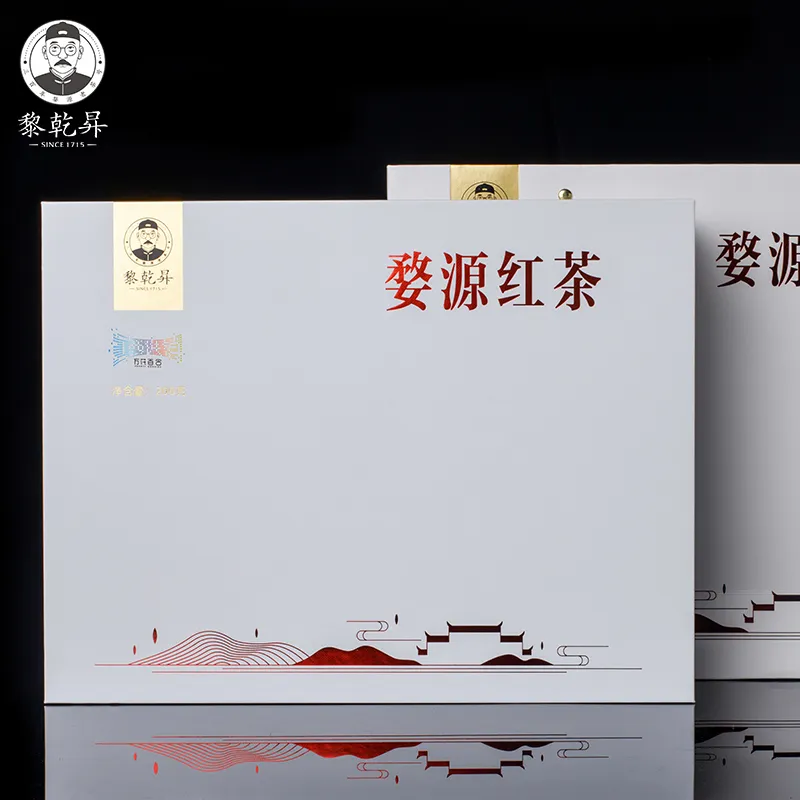
High-mountain black tea originates from the core production area in northeastern Wuyuan, situated along the Huangshan Mountain range in high-altitude tea gardens.
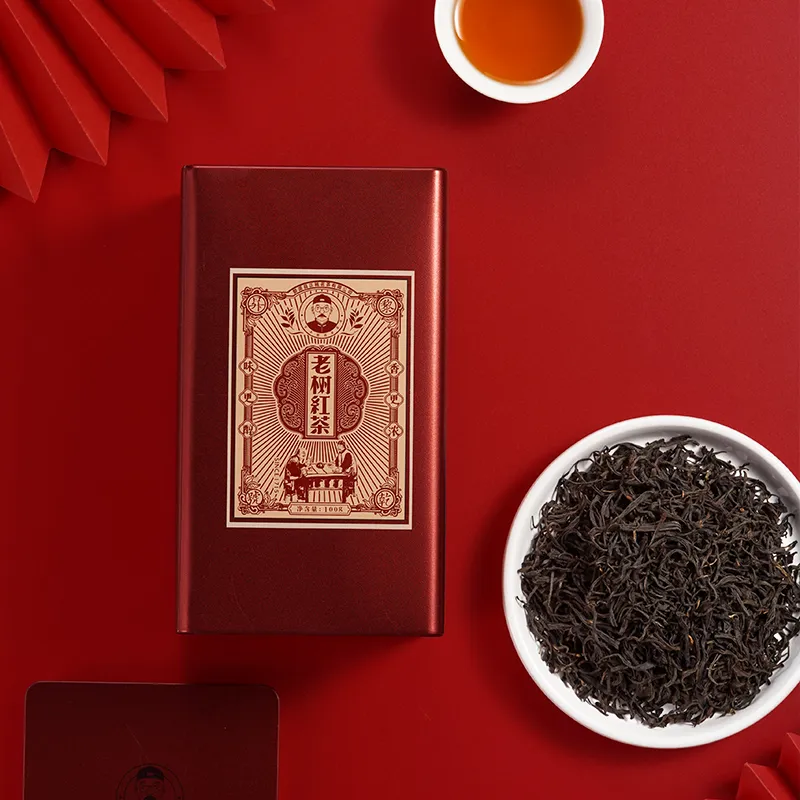
Ancient Tree Black Tea is a high-quality black tea known for its unique flavor and production process. The production of Ancient Tree Black Tea involves several steps, including picking, withering, rolling, fermenting, and drying.

Organic loose black tea, picked between March and May, with the appropriate new leaves of the tea tree as raw materials

Natural black tea produced from wuyuan northeast township 600-800 metres high mountain old tea tree, morning and evening temperature difference significantly

The black tea leaves are picked in April-May every spring, mostly in the middle and late stages of the tea tree with larger leaves, full and plump.

Keemun black tea is made with a delicate harvesting process, picking the buds and leaves of one bud, two or three leaves as the raw material.

EU Black Tea refers to black tea products that meet the EU's food safety standards for imports.

Pure black tea is harvested during the Grain Rain (as the unique geographical and climatic conditions of Wuyuan lead to a slower growth rate of the tea leaves, resulting in a later harvest compared to market norms).
Why Choose us
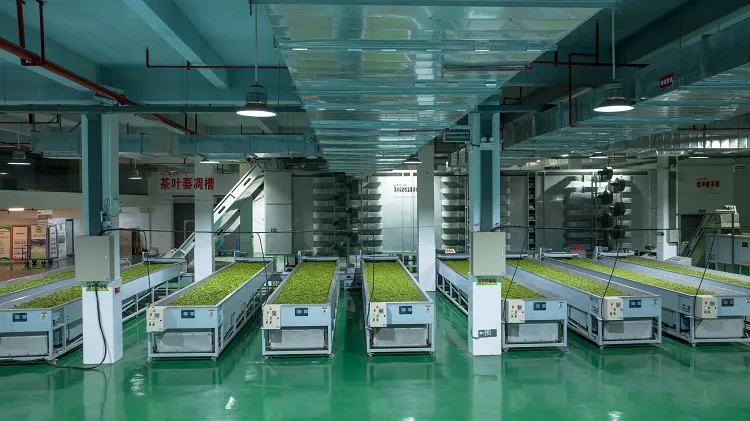
Advanced processing production line
The factory features the most advanced automated, clean, standardized, and visualized production lines in the country, including one for premium red tea with the largest daily output in the nation, one for premium green tea, two for fine processing of premium red and green teas, and four automated packaging production lines.
Quality Services
We always strive to deliver high-quality services to our clients. We use the latest tools and techniques to ensure that our work is of the highest standard.
Cutting-edge technology
We constantly update our tools and technology to stay ahead of the competition and provide the best service possible.
Types of Organic Black Tea
Chinese organic black teas
Congu – Slightly sweet in flavor, this brisk yet rich tea is the perfect starter component for creating kombucha tea.
Keemum mao fang – This historically revered tea has been passed down from generation to generation and is still prized for its aromatic properties today. This magnificent tea yields a vibrant cup with notes of pine, cocoa, and marshmallow.
Lapsang souchong – Considered one of the very first black teas to be introduced to the west, this tea became known for its signature smoky flavor and aroma permeated by the campfires of traveling caravans. Nowadays, the signature flavor is recreated by smoking the leaves over pine needles. This tea pairs nicely with savory dishes.
Indian black teas
Assam – Usually bold and malty in flavor, this tea has a dramatic character that rivals the potent punch of coffee, making it a great transition tea. This is also a great base for blending and holds up well against multiple steepings.
Darjeeling – Just like champagne, darjeeling comes from the darjeeling region of india and has a smooth, bright flavor with muscatel overtones and a slightly floral finish. Arguably one of the best black teas in the world, this dynamic tea leaves behind a subtle hint of lingering astringency on the palate.
Sri lankan black teas
Ceylon – Depending on the altitude in which it is harvested, this tea may yield a beautiful light golden color with a round, feathery finish or it can be fuller-bodied, with a deep mahogany tincture and bolder taste. Ceylon tea is considered one of the finest in the world.
How Organic Black Tea Is Made
Step 1: Wither
Freshly harvested tea leaves are spread out in an even layer in metal troughs, and fans are used to pull and push air across the leaves. The tea is left to wilt (or "wither") for 10 to 14 hours, depending on the ambient conditions. This process traditionally took place outdoors with the help of air and sunlight, but today, tea makers primarily do it inside so they can more carefully control air circulation. During this time, humidity is carefully monitored, as achieving the desired amount of moisture loss is essential to creating the desired flavor in the final tea.
Step 2: Roll
In order to initiate the oxidation process responsible for organic black tea's color and flavor, the cell walls of the tea leaves must be broken open through the rolling process, which can take anywhere from 5 to 60 minutes. Once done by hand, but now often done by machine, the act of massaging the tea leaves releases their enzymes and essential oils and exposes their compounds to the air, catalyzing chemical reactions with flavorful results.
Step 3: Oxidize
Once the leaves are activated through rolling, they are left to rest for up to eight hours of oxidation. It is during this stage that a noticeable metamorphosis from pale green to a rich golden brown occurs. Since oxidation takes place spontaneously at a wide range or room temperatures, this process will continue until the leaves are dried under heat.
Step 4: Dry
After the leaves have been allowed to react with the air for a sufficient time, they are placed in a dryer for finishing. The heat involved in this final phase halts the oxidation process and locks in the qualities developed at just the right levels. The typical drying temperature is ranges from 80-90 degrees Celsius (175-195 degrees Fahrenheit), applied for 20-25 minutes.
When each of the four steps have been completed correctly, the result is a beautiful, aromatic, perfectly balanced organic black tea, astringent rather than bitter when brewed, and exhibiting deep chords of flavor that may include caramel, cacao, rose, and even stone fruits or candy.
How to Store Organic Black Tea So It Stays Fresh
Know your organic black tea: Buy organic black tea from a reputable company that can tell you when and how the organic black tea was processed and packaged.
Buy small: Buy fresh organic black tea in small quantities and refill when you get low. And date your organic black tea when you buy it, so you know how long it's been on your shelf.
Protect organic black tea from its enemies: Store organic black tea in a cool, dark place away from light, heat and moisture. Light and heat can activate enzymes that will start to degrade your organic black tea. And organic black tea is shelf-stable because it's completely dry. Any interaction with moisture can drastically shorten the shelf life of organic black tea, so refrigeration or freezing is not recommended.
Keep at room temperature: It's best to keep your organic black tea stored at room temperature. Room temperature is a comfortable temperature range indoors, usually considered to be 68 to 77°F (20 to 25°C).
Don't let organic black tea breathe: The more organic black tea is exposed to oxygen, the higher the chance it will absorb odor and moisture from the air around it. Therefore it's best to store organic black tea in an airtight, non-plastic, opaque container. Glass, tin or aluminum containers are best. Plastic can transfer odors and chemicals into the organic black tea and affect the tea's flavor.
Put organic black tea in seclusion: Organic black tea is highly absorbent, so give organic black tea its own storage area far away from coffee, spices or anything else in your pantry that has a strong odor. If you have flavored teas, store them separately from your non-flavored as flavored teas can impart their flavor into other teas.
Things To Note When Buying Organic Black Tea
Shelf life
One of the first things to consider when buying organic black tea in bulk is its shelf life. While organic black tea generally has a longer shelf life compared to green or white teas, it is still essential to pay attention to the expiration dates or recommended consumption periods provided by the tea producer or retailer. Different organic black teas may have varying shelf lives depending on factors such as the tea type, processing method, and storage conditions.
Storage requirements
Proper storage is crucial for maintaining the quality and flavor of organic black tea, particularly when buying in bulk. Before making a bulk purchase, consider whether you have appropriate storage conditions to keep the tea fresh and prevent it from losing its flavor over time.
Ideally, organic black tea should be stored in airtight containers to protect it from exposure to air, moisture, and odors. Glass jars or metal tins with tight-fitting lids are excellent options for storing bulk organic black tea. These containers help to preserve the tea's aroma and prevent it from absorbing external odors.
Cost savings
One of the significant advantages of buying organic black tea in bulk is the potential cost savings it can offer. When purchasing larger quantities of tea, the price per unit generally decreases, making it a cost-effective option for regular tea drinkers or those who enjoy a variety of teas.
Before opting for a bulk purchase, evaluate the cost savings compared to buying smaller quantities of organic black tea. Consider your tea consumption habits and determine if buying in bulk aligns with your budget and preferences. If you consume tea on a daily basis or frequently host tea gatherings, buying in bulk can provide substantial savings over time.
Company Introduction
Wuyuan Zhengxi Tea Co., Ltd. (hereinafter referred to as the Company) was established on October 12, 2016, in Wuyuan County, Shangrao City, Jiangxi Province. The registered capital costs 30 million yuan, and the legal representative is Li Jianhua.
The company actively responds to Jiangxi Province's "Four Greens and One Red" tea industry development plan, dedicating itself to becoming the integrator and revitalizer of the Wuyuan tea industry. With the mission of promoting a thriving tea industry, enhancing brand reputation, and ensuring the happiness of tea farmers, the company adheres to the core values of "serving tea farmers, serving the market." By integrating the value chain of the Wuyuan tea industry and adopting the new approach of "tea + culture + tourism," the company strives to establish Wuyuan Tea as a top brand in Wuyuan, one of the top three tea enterprises in Jiangxi, and a leading enterprise in the industrialization of China's tea industry.



Asked Questions
Hot Tags: organic black tea, China organic black tea manufacturers, factory, Natural Scented Tea, Jasmine Silver Tip, Scented Tea Leaves, Black Tea Leaves, Bulk Jasmine Tea, Bulk Organic Green Tea


