


What is Jasmine Tea
Jasmine tea is tea scented with the aroma of jasmine blossoms. Typically, jasmine tea has green tea as the tea base; however, white tea and black tea are also used. The resulting flavour of jasmine tea is subtly sweet and highly fragrant. It is the most famous scented tea in China.
Get naturally glowing skin
Say hello to gorgeous dewy and glowing skin when you welcome jasmine tea into your life. Botanical beauty has long been a thing and for good reason, jasmine petals are said to have deep cleansing properties and can encourage natural healing in the skin. Even if you don't slather jasmine on your face, drinking it also brings benefits for the skin too.
Includes compounds to reduce the chances of cancer
Antioxidants, polyphenols, and ecgc are all incredible compounds that are even said to have cancer-fighting properties. Animal studies have shown that the polyphenols found in the green tea base that makes jasmine tea helped to reduce tumor cell growth, reduced tumor size, and even suppressed the spread of cancer cells.
Improve your gut health
There have been a bunch of studies into good gut health and how having a healthy gut can impact everything from your immune system to mental health. The good news is that jasmine tea can also boost your gut health too. This tea is rich in polyphenols which can act as prebiotics and help to nourish your microbiome. There are also animal studies that have been done and showcase that jasmine can help your body have high levels of cellular antioxidants and can cut down on inflammation. These are all the ingredients you need for your gut to thrive.
Improve functional activities of brain
The small amount of caffeine found in jasmine tea packs quite the punch. There is around 15-60mg of caffeine in this tea and it helps to accelerate the nervous system which can boost brain power and quickly deliver messages and signals between your brain and your body. While speeding up your nervous system may not sound like something you need (particularly for anxious people) fear not. Jasmine tea also invites the brain to fire off plenty of dopamine and serotonin which are the happy chemicals.
Keeps the cardiovascular cells healthy
Cut down your cholesterol levels and keep those heart cells healed and healthy all by falling for the pure pleasure of jasmine tea. The journal of nutrition found that the abundance of catechins in jasmine tea helped to stop ldl-oxidation which leads to the 'bad' cholesterol. As your arteries and veins suffer from inflammation this can lead to stress on the body and even strokes and heart attacks.
Induces sleep and prevents insomnia
While jasmine tea does include a little caffeine depending on your tea base, pouring yourself a cup a few hours before bed can be a good addition to your bedtime routine. The scent of the jasmine blossom encourages a parasympathetic nervous system response which can help the body to relax and the mind to slow down. As it also helps the digestive system to chill out, this too can keep the body from tossing and turning and trying to get comfortable all night.
Lose the extra weight
As jasmine tea can stir up your metabolism it is also believed to be a good way of helping reduce unwanted obesity. For those who have been encouraged to lose weight for health or medical reasons, jasmine tea can be a part of your journey. This tea is super low in calories and naturally sweet to help cut those sugar cravings, it also can increase your metabolism by up to 5% and help your body burn fat by up to 16%.
Improves mental health & balances emotions
As we mentioned a little earlier, studies have shown that the aromatherapy of jasmine can work wonders on your nervous system and help talk you down off a high-stress ledge. The sweet floral scent of jasmine tea is said to have a positive impact on your central nervous system and for centuries this plant has been used to help stave off signs of depression, stress, and anxiety. This is because jasmine oil directly affects the nervous system chemical known as gaba.

The raw material for organic flower tea is Wuyuan imperial chrysanthemum, which belongs to the Asteraceae family and is a perennial plant within the genus Chrysanthemum.

The raw material of Natural Scented Tea, Wuyuan imperial chrysanthemum, also known as Xiaoqi imperial chrysanthemum, belongs to a kind of yellow chrysanthemum according to the classification of petal colours

Scented tea leaves uses a tea base of Jasmine Silver Hair, and the base tea is green tea that is cured using jasmine flowers.
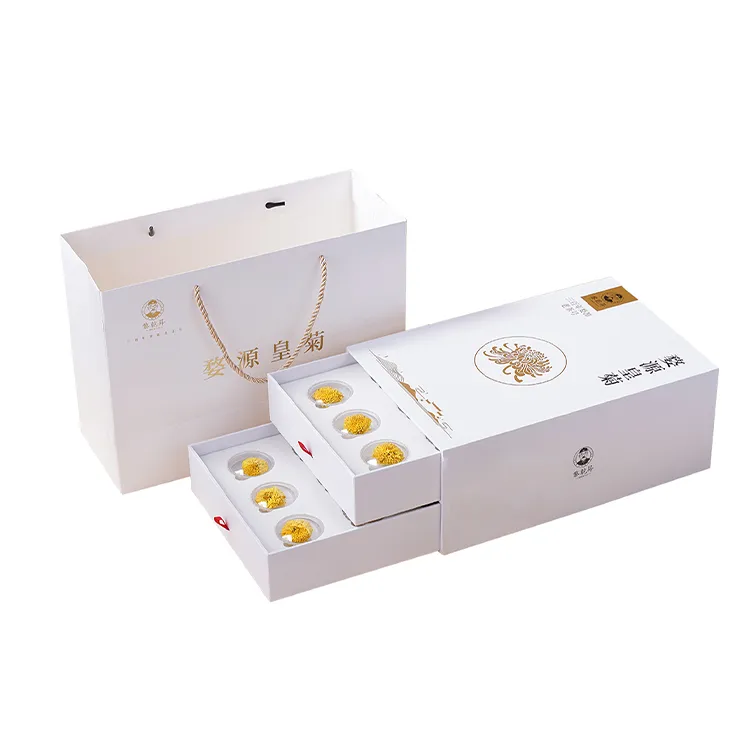
High mountain scented tea is picked from the chrysanthemum plantation at the foot of the tea mountain in Guankeng Village, Duanxin Township, Wuyuan County.

Jasmine tea, also known as jasmine incense piece, belongs to the flower tea, tea embryo for green tea, finished product will be removed jasmine, also belongs to a kind of green tea, has more than 1,000 years of history.
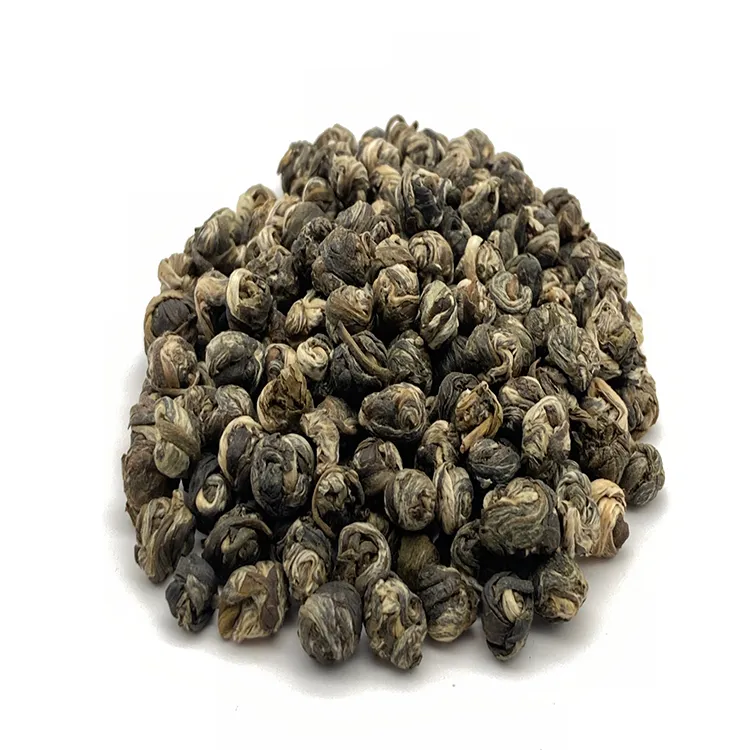
Bulk Jasmine Tea uses the product category of Jasmine Longzhu, the shape of bulk jasmine tea is round and tight, the white hairs are exposed, shaped like a pearl;

The chrysanthemum tea from Wu Yuan is grown in the high mountains of Wu Yuan, at an altitude of over 600 meters, located in the Huangshan Mountain Range.
Why Choose us
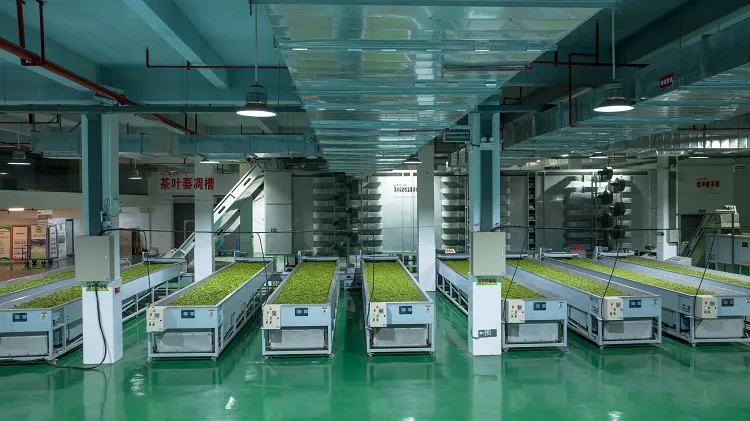
Advanced processing production line
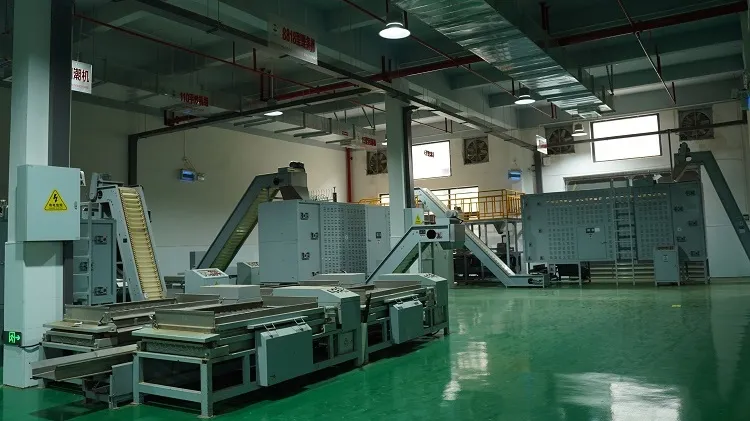
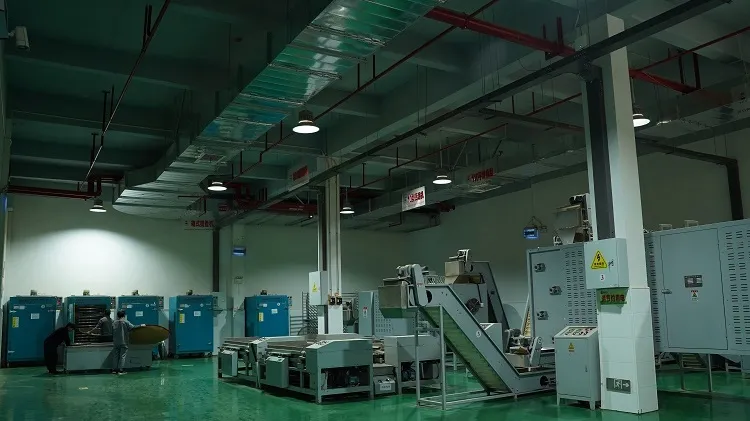
The factory features the most advanced automated, clean, standardized, and visualized production lines in the country, including one for premium red tea with the largest daily output in the nation, one for premium green tea, two for fine processing of premium red and green teas, and four automated packaging production lines.
Quality Services
We always strive to deliver high-quality services to our clients. We use the latest tools and techniques to ensure that our work is of the highest standard.
Cutting-edge technology
We constantly update our tools and technology to stay ahead of the competition and provide the best service possible.
How Is Jasmine Tea Produced?
Jasmine tea is classified as a flavored tea. Green tea leaves are scented using fresh jasmine blossoms or jasmine oil. The green tea leaves are harvested in late spring when the leaves are the freshest. The leaves are then dried immediately using sunlight, steam, or roasting methods.
Drying
Green tea leaves that are dried in sunlight tend to have the most delicate flavor. Steaming is the most popular method for Japanese green teas, while Chinese green teas are typically roasted. Steamed green teas develop more vegetal and sweet flavors. Roasted green teas are stronger and feature smoky or toasted notes.
Scenting
After drying, the leaves are stored until the jasmine flowers are ready for harvesting in mid-June. The flower buds are plucked at mid-day when the buds are closed against the sunlight.
They are then transferred to cool warehouses for scenting the green tea leaves. As the jasmine flowers are subjected to cooler temperatures, they reopen and begin to scent the tea leaves.
Tea leaves are highly absorbent and start to take on a sweet fragrance when they come into contact with the jasmine flower. Once the jasmine blossoms begin to dry, they are replace with new, fresh buds. The scenting process may be repeated up to 10 times depending on the tea master. The leaves and flowers are subjected to drying one final time to seal in flavor and remove moisture.
Packaging
The jasmine flowers are then either removed completely or packaged with the green tea leaves for sale. Jasmine tea is available in several different forms include tea bags, loose leaf teas, powders, and jasmine pearls-hand rolled balls that slowly unfurl when infused in water.
Methods of Scenting Jasmine Tea
Natural Scenting
The natural scenting process uses fresh jasmine flowers, plucked during the daytime when the buds are closed. Tea leaves from the spring harvest are steamed or dried to halt oxidation, and then carefully stored for maximum freshness until the most fragrant jasmine blossoms emerge in late summer. When the jasmine flowers are harvested, the dry leaves are laid out, with fresh jasmine flower blossoms separating layers of tea leaves. The layered leaves and flowers are left overnight, while the blossoms begin to open and the dry tea leaves absorb aromatic oils and moisture from the flowers. In the morning, the flowers are sorted away, the leaves are dried, and the process is repeated. More repetitions make for stronger jasmine flavor, as the leaves absorb more fragrant oils.
Blending
Natural scenting is a labor intensive method that produces a relatively small amount of tea, for the amount of work put in. Repeated rounds of scenting will multiply the cost of any tea. So to bring jasmine tea to the common people, shortcuts had to be taken.
Blended jasmine teas, or tea leaves with dried jasmine flowers, do not have very much jasmine flavor. The fragrant jasmine oils are absent from the dried flower, leaving very little recognizable jasmine flavor. Instead, the dried flowers are mostly tasteless, with a hint of bitterness. This is one of the primary reasons why herbal jasmine teas (without Camellia sinensis tea leaves) never caught on.
Artificial Fragrance
In our modern world, artificial flavors and colors are ubiquitous, so it should come as no surprise that they are also used to make jasmine teas. Unfortunately, the artificial nature of these created fragrances leaves them lacking, when compared with the natural version.
As with blended jasmine teas, cost is a motivating factor, so artificial scents are most often used on low quality teas. Mass-market bagged teas, for instance, are usually filled with 'tea dust', particles of tea leaf so fine that the process of natural scenting would be impossible. Artificial flavoring not only makes the process easier, it is also more stable for long term storage.
Step 1: Choose Your Jasmine Tea
Selecting the right jasmine tea will depend heavily on your tastes and how much you want to spend. Higher quality and purer jasmine teas are like fine wine in that they are more time-intensive to cultivate and thus more expensive. You'll also want to keep in mind which jasmine tea type you want, loose-leaf or pearls. For loose-leaf teas, use 1 heaping teaspoon for every 8 ounces of water.
Step 2: Prepare Your Water
When it comes to brewing any tea, water is the essential foundation for a delicious cup. Avoid using distilled water as it does not allow flavors to develop. Instead, you should use spring water as a first choice and filtered water as the second best option. Spring water is free from chemicals and compounds that can alter flavors. Using tap water can result in a more bitter tea due to the presence of treating chemicals such as chlorine.
Step 3: Heat the Water
Since jasmine tea is delicate, it is more sensitive to water temperatures and you should not brew using boiling water as you would a regular true tea. Instead, aim to heat your water between 160 and 180 F.
The best way to ensure proper temperature is to invest in a thermometer or tea kettle with temperature settings. If you don't have either of these on hand, simply use the Chinese tea brewing method of watching for bubbles. Bubbles that are the size of fish eyes and haven't breached the surface of the water generally indicate temperatures of 160 to 180 F.
Step 4: Steep
Jasmine scented tea should steep for 2 to 4 minutes depending on desired strength. If you find that your jasmine tea is too bitter, try using fewer leaves or brewing for a shorter amount of time. We recommend steeping for 2 minutes initially and testing the flavor every 30 seconds to suit your taste preferences.
Storage Tips For Jasmine Tea
Jasmine tea must be kept free from oxygen
Jasmine tea continue to oxidize over time with exposure to oxygen. Even when stored in an airtight vessel, some air remains in between the leaves and at the top of the vessel; airtight does not mean air-free.
Jasmine tea must be kept free from heat
Low-level heat speeds up oxidation, while high levels of heat prevent oxidation. Some delicate green and yellow jasmine tea are best if stored in the freezer or refrigerator; the cold temperatures dramatically slow down oxidation reactions. However, this must be done properly to avoid condensation on the leaves.
Jasmine tea must be kept away from light
Much of what is written on the effects that light has on dry jasmine tea is based on anecdotal evidence; this topic hasn't been studied in depth. We do know that light-induced damage gives tea a metallic flavor.
Jasmine tea must be kept away from strong odors
Jasmine tea will absorb the scents of their surroundings. This is beneficial in the production of scented teas, such as jasmine; the leaves are stored in close proximity to jasmine blossoms, resulting in a jasmine scented tea. However, this same quality of tea can be detrimental should your tea leaves come in contact with unpleasant odors.
Jasmine tea must be kept away from moisture
It's no secret that jasmine tea release their flavor when exposed to moisture. Because of this, you really don't want your tea to "steep" until you steep it for drinking. Keeping your tea storage free of moisture isn't as simple as keeping the leaves away from visible liquids. Tea is hygroscopic, meaning that it will absorb moisture from the air. An airtight storage container is the simplest way to block out moisture.
Jasmine tea is best when stored in bulk
This is basically a combination of the first and fourth rules above, but it is worth mentioning. A near empty airtight vessel with a tiny bit of jasmine tea in the bottom will deteriorate faster than an airtight vessel completely full of tea. To keep your tea the freshest, fill your storage vessel as much as possible, shake it to let the tea settle, and then fill it some more. The more tea you can keep in an enclosed space, the less oxygen there will be in that space.
Company Introduction
Wuyuan Zhengxi Tea Co., Ltd. (hereinafter referred to as the Company) was established on October 12, 2016, in Wuyuan County, Shangrao City, Jiangxi Province. The registered capital costs 30 million yuan, and the legal representative is Li Jianhua.
The company actively responds to Jiangxi Province's "Four Greens and One Red" tea industry development plan, dedicating itself to becoming the integrator and revitalizer of the Wuyuan tea industry. With the mission of promoting a thriving tea industry, enhancing brand reputation, and ensuring the happiness of tea farmers, the company adheres to the core values of "serving tea farmers, serving the market." By integrating the value chain of the Wuyuan tea industry and adopting the new approach of "tea + culture + tourism," the company strives to establish Wuyuan Tea as a top brand in Wuyuan, one of the top three tea enterprises in Jiangxi, and a leading enterprise in the industrialization of China's tea industry.

Asked Questions
Hot Tags: jasmine tea, China jasmine tea manufacturers, factory, Scented Tea Leaves, Whole Leaf Black Tea, Organic Loose Black Tea, Jasmine Silver Tip, Black Tea Leaves, Bulk Organic Green Tea


