


What is Chrysanthemum Tea
Chrysanthemum tea is a flower-based infusion beverage made from the chrysanthemum flowers of the species Chrysanthemum morifolium or Chrysanthemum indicum, which are most popular throughout East and Southeast Asia.
Promotes deep relaxation
For generations, chrysanthemum tea has helped to lower blood pressure, cool the body, and reduce inflammation, all of which can help to induce calmness. The powerful antioxidants and minerals present in the infusion can help your body better regulate itself and eliminate unnecessary stress hormones in the blood.
Promotes healthy heart function
Studies have linked chrysanthemum tea to lower blood pressure and relief from coronary artery diseases. By lowering blood pressure and cholesterol levels, some reports even say this herbal flower tea can be a long-term preventative measure for different cardiovascular issues, such as heart attacks and strokes, as well as atherosclerosis. This lowered blood pressure is mainly attributed to the potassium content of the infusion, as potassium is a vasodilator.
Skin care
Super rich in beta-carotene in chrysanthemum tea, which breaks down into vitamin a to serve different purposes in the body. Vitamin a behaves like an antioxidant in many ways and therefore eliminates oxidative stress and damaged cells in organ systems around the body. Chrysanthemum tea has long been used topically for this reason, as it can clear up skin irritation, redness, and chronic conditions, such as eczema and psoriasis. It also helps to generally reduce the signs of aging, as well as wrinkles and blemishes, thanks to the antioxidant content of the flowers.
Maintains healthy immune function
Vitamin c and a are both found in high concentrations within chrysanthemum tea, and both of these vitamins are crucial for immune system health. Vitamin c stimulates the production of white blood cells and functions as an antioxidant to protect against free radicals. There are also quite a few minerals in chrysanthemum, such as magnesium, calcium, and potassium, all of which are necessary for a healthy immune system.
Helps maintain bone health
You don't often hear about a flower tea being ideal for bone health and the prevention of osteoporosis, but chrysanthemum tea as a super herbal flower tea's mineral content stands apart in many ways. The extract of chrysanthemum has been identified to improve the conditions of bone mineral density loss, so it's never too early to start drinking this herbal flower tea.
Improves vision
As mentioned earlier, super rich in beta-carotene, and subsequently vitamin a, in chrysanthemum tea. Vitamin a has always been closely linked with eye health, and as an antioxidant, it can protect against retinal neuropathy, cataracts, macular degeneration and many other issues having to do with the eyes, even something as simple as a blurry vision.
Promotes healthy metabolism
There are many different types of vitamin b found in chrysanthemum, including folic acid, choline, niacin, and riboflavin. These vitamins are necessary for the normal functioning of the body, ranging from developmental progress and growth to hormonal levels, circulation, and neurotransmitter activity.

The raw material for organic flower tea is Wuyuan imperial chrysanthemum, which belongs to the Asteraceae family and is a perennial plant within the genus Chrysanthemum.

The raw material of Natural Scented Tea, Wuyuan imperial chrysanthemum, also known as Xiaoqi imperial chrysanthemum, belongs to a kind of yellow chrysanthemum according to the classification of petal colours

Scented tea leaves uses a tea base of Jasmine Silver Hair, and the base tea is green tea that is cured using jasmine flowers.
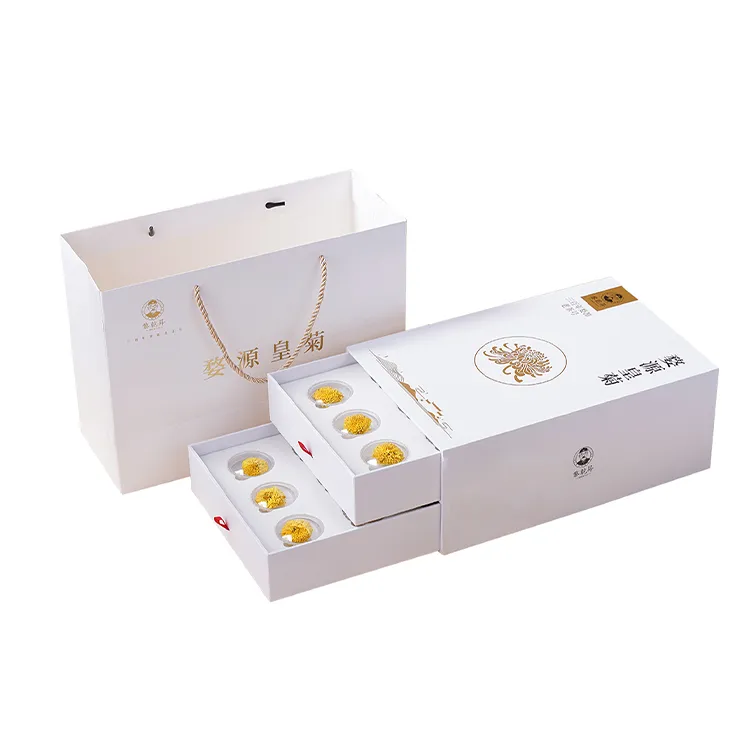
High mountain scented tea is picked from the chrysanthemum plantation at the foot of the tea mountain in Guankeng Village, Duanxin Township, Wuyuan County.

Jasmine tea, also known as jasmine incense piece, belongs to the flower tea, tea embryo for green tea, finished product will be removed jasmine, also belongs to a kind of green tea, has more than 1,000 years of history.
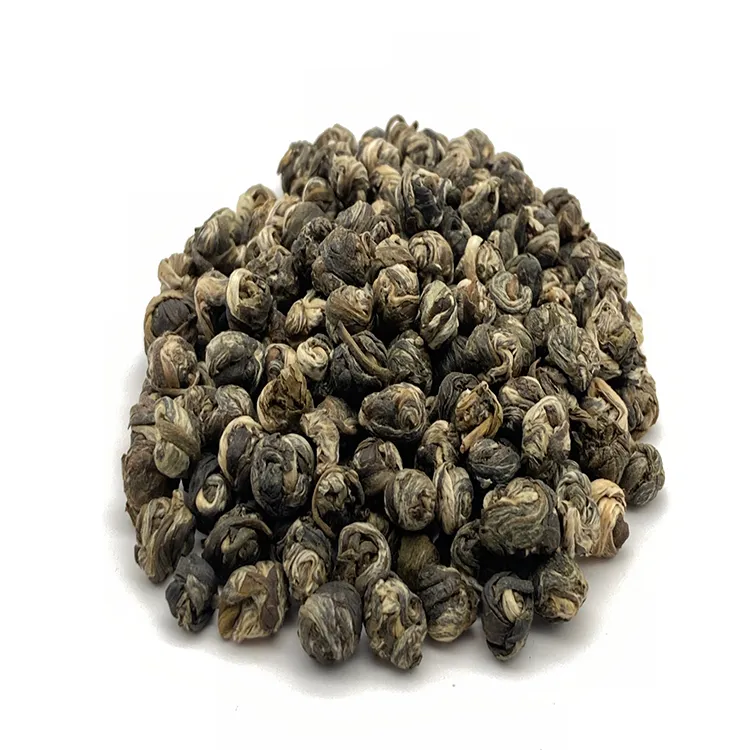
Bulk Jasmine Tea uses the product category of Jasmine Longzhu, the shape of bulk jasmine tea is round and tight, the white hairs are exposed, shaped like a pearl;

The chrysanthemum tea from Wu Yuan is grown in the high mountains of Wu Yuan, at an altitude of over 600 meters, located in the Huangshan Mountain Range.
Why Choose us
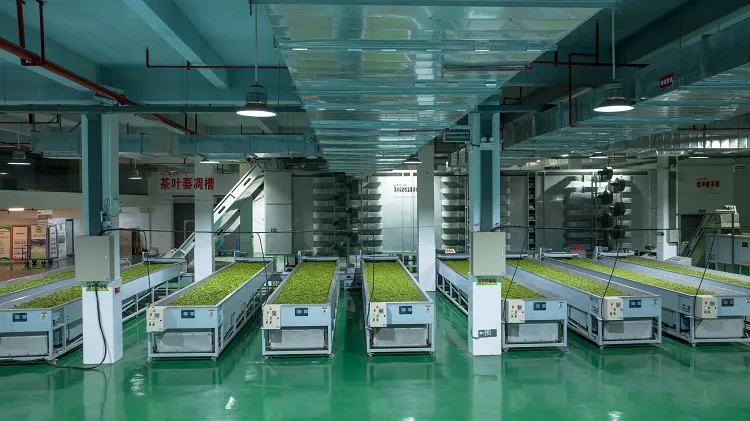
Advanced processing production line
The factory features the most advanced automated, clean, standardized, and visualized production lines in the country, including one for premium red tea with the largest daily output in the nation, one for premium green tea, two for fine processing of premium red and green teas, and four automated packaging production lines.
Quality Services
We always strive to deliver high-quality services to our clients. We use the latest tools and techniques to ensure that our work is of the highest standard.
Cutting-edge technology
We constantly update our tools and technology to stay ahead of the competition and provide the best service possible.
Tips For Brewing Chrysanthemum Tea
Select High-Quality Ingredients: Begin with high-quality dried chrysanthemum flowers for maximum flavour and aroma. Look for organic or pesticide-free options to ensure purity and freshness.
Ingredients: Add about 1-2 teaspoons of dried chrysanthemum flowers to each cup of water. Adjust the amount according to whether you prefer a stronger or milder brew.
Use Filtered Water: To make the best tea, use filtered or spring water that is free of impurities. Avoid using distilled water, as it may produce a flat-tasting brew.
Warm Up the Teapot or Cup: To preheat your teapot or cup, run hot water over it. This guarantees a constant flavour profile and aids in maintaining the water's temperature during brewing.
Steep at the Proper Temperature: Before making chrysanthemum tea, bring water to the proper temperature. The ideal temperature range for water is between 190 and 200°F (88 and 93°C). Boiling water can cause it to taste bitter.
When to Steep: To achieve the desired strength, steep the chrysanthemum flowers in hot water for a duration of 5 to 10 minutes. An even stronger and more flavorful brew is the product of longer steeping times.
Cover While Steeping: To ensure a fragrant and flavorful infusion, cover the teapot or cup while steeping to maintain heat and keep the aromatic oils from escaping.
Strain and Serve: After the tea has finished steeping, use a tea infuser or a fine-mesh strainer to remove the chrysanthemum flowers. Depending on your preference, pour the tea into cups and serve hot or over ice.
Sweeten to Taste: You can drink chrysanthemum tea unsweetened or with a little honey, sugar, or fruit juice added for extra sweetness. To taste, adjust the sweetness and savour!
Reuse Chrysanthemum Flowers: You can make several delicious batches of tea by steeping Chrysanthemum flowers several times. Experiment with re-steeping to discover your preferred flavor profile.
The primary nutrients in Chrysanthemum tea are volatile oils and amino acids. Choline, stachydrine, and berberine are among the amino acids, which further enhances their richness. The amino acids in Chrysanthemum are diversified into 17 categories.
These include glutamic acid, aspartic acid, and proline, all important for bodily functions. These flowers also contain flavonoids, which have antioxidant properties and the ability to combat free radicals. Regarding trace elements and vitamins, Mum flower tree petals have high iron, zinc, and copper concentrations along with vitamins A, B, C, and selenium.
These nutrients prove essential for different functions and increase immunity. Chrysanthemum tea's health benefits make it a beneficial addition to the diet, often providing more value than some fruits and vegetables.

How To Store Chrysanthemum Tea?
Organic chrysanthemum can be stored at room temperature, but there must be a shading environment, and the environment around it must be free of odor. It can also be placed in the refrigerator, which can be stored for a long time. Note that the blood of organic chrysanthemum needs to be the type with good airtightness, otherwise it will be easily affected by moisture and deteriorated during storage.
Store at room temperature
To store organic chrysanthemum, it is best to keep it at room temperature, and it needs to be shaded to avoid direct sunlight. At the same time, it is necessary to ensure that the environment around it is free of odor, otherwise it will affect organic chrysanthemum.
Refrigerator
If you want to preserve organic chrysanthemum, you can also seal it and place it in the refrigerator's refrigerated layer, so that it can be stored for a long time. Before storing it, we can dry the chrysanthemum tea again and let them fully dry. Then put it in the refrigerator, and its storage time can be extended even longer.
Storage containers
Note that when storing organic chrysanthemum, you need to choose a suitable container. Generally, you can use a special container for scented tea. The material of the container is preferably iron and other types with good airtightness, which is conducive to its storage. After entering the blood of the vessel, it needs to be sealed well to prevent it from getting damp and deteriorating.
The function of dried chrysanthemum
Dried chrysanthemum is a kind of scented tea that is very popular among people. It has a faint fragrance, and it tastes bitter and sweet after brewing, and it also has a faint floral fragrance. We can also mix chrysanthemum tea with other plants to make sachets. After people smell its fragrance, it can refresh the mind.
What Is Quality Chrysanthemum Tea?
In order for a chrysanthemum tea to qualify as a quality chrysanthemum tea, there are some points that must be met. When we talk about quality chrysanthemum tea, we're referring to the many elements that come together to create an incomparable chrysanthemum tea experience. This applies to b.La. The quality of the chrysanthemum tea leaf, the place of cultivation, the harvesting process, and the subsequent processing.
Chrysanthemum tea leaf quality
The basis of any chrysanthemum tea is the chrysanthemum tea leaf. The quality of chrysanthemum tea leaves is crucial to the final quality of chrysanthemum tea. The best chrysanthemum teas often use only the finest leaves that are carefully chosen for their size, shape, color, and texture.
The place of cultivation
Like wine, terroir – the unique environment in which chrysanthemum tea grows – also affects the taste and quality of chrysanthemum tea. Factors such as soil composition, altitude, climate, and surrounding vegetation can all affect the taste of chrysanthemum tea in surprising ways.


The harvesting process
Quality chrysanthemum tea requires careful and gentle treatment during harvest. It is a very costly and time-consuming process. Many high-quality chrysanthemum teas, such as gyokuro, are harvested only once a year, often using traditional harvesting methods. Some chrysanthemum teas, such as matcha, are even grown in the shade to promote chlorophyll production and create a rich, umami flavor.
The processing process
After harvesting, the chrysanthemum must go through several processing steps to become the final chrysanthemum tea. These can vary greatly depending on the type of chrysanthemum tea, but can generally include wilting, rolling, fermentation, oxidation, and drying. Each process is carefully controlled to ensure that the taste, aroma, and color of the chrysanthemum tea leaves are improved.
Company Introduction
Wuyuan Zhengxi Tea Co., Ltd. (hereinafter referred to as the Company) was established on October 12, 2016, in Wuyuan County, Shangrao City, Jiangxi Province. The registered capital costs 30 million yuan, and the legal representative is Li Jianhua.
The company actively responds to Jiangxi Province's "Four Greens and One Red" tea industry development plan, dedicating itself to becoming the integrator and revitalizer of the Wuyuan tea industry. With the mission of promoting a thriving tea industry, enhancing brand reputation, and ensuring the happiness of tea farmers, the company adheres to the core values of "serving tea farmers, serving the market." By integrating the value chain of the Wuyuan tea industry and adopting the new approach of "tea + culture + tourism," the company strives to establish Wuyuan Tea as a top brand in Wuyuan, one of the top three tea enterprises in Jiangxi, and a leading enterprise in the industrialization of China's tea industry.



Asked Questions
Hot Tags: chrysanthemum tea, China chrysanthemum tea manufacturers, factory, white tea, Pure Black Tea, Jasmine Silver Tip, Chrysanthemum Tea, black tea, Organic Scented Tea


